Trail running for beginners: what I got wrong moving from road to trail
Start on trails you know, walk the steep climbs, and wear shoes that grip in mud. I learned the hard way: road shoes sliding on muddy laps, a 53-mile race over hills far steeper than any I trained on, and a missed turn in a fell race that added 4 miles.
I came to trails as a road runner, and three of the lessons on this page cost me at races.
Shoes for your first trail runs
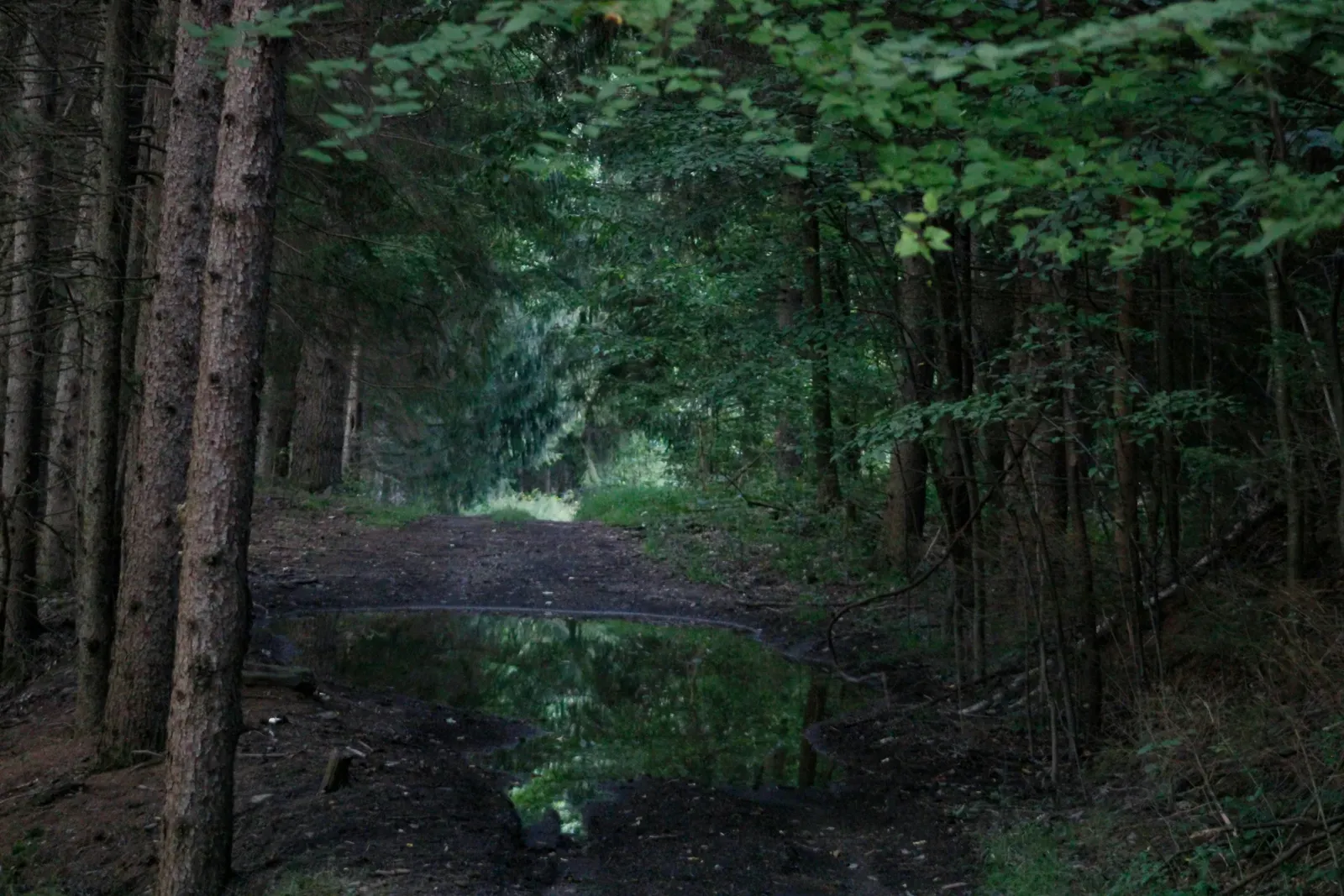
At Manvers Dusk till Dawn in 2017, about 30% of each lap was off-road, as I described it at the time. Lap after lap, the runners churned it into puddles of mud, and my road shoes started to lose their grip. The race's entry page now describes the course as all off road, on footpaths.
Source: Manvers Dusk till Dawn 2027, entry page, checked
Trail shoes are made for this. Run The Wild, which runs trail running trips and events, recommends a more aggressive tread when it's muddy, and for deep mud, deep lugs (the studs on the sole) with good spacing between them so the mud can shed. It reckons a summer trail shoe won't cope with deep mud, and that most worries about falling over on trails come down to wearing road shoes.
Sources: Run The Wild, How to run through mud; Run The Wild, How to stay safe on the trails, checked
We don't sell running shoes, so get yours from a running shop that knows trails.
How to start: distance, pace and walking
Run The Wild's advice is to stick to local trails until your confidence grows, and always have a plan B so you can cut the route short. Tell someone where you're going and when you'll be back, and carry a phone.
I moved some of my training off-road to get used to uneven ground under my feet. The bigger lesson came later: walk the steep climbs. Walking a steep climb costs you little time, saves a lot of energy, and gives you a chance to eat and get your breath back. Running and walking to a timer, the way I ran a marathon PB, suited the road better than the hills (jeffing has both).
Technique comes with time. On steep, technical descents Run The Wild suggests short, quick strides and looking a few metres ahead instead of down at your feet. In mud, its advice is to keep your stride and go straight through the middle, because the edge of the path is where you slip.
Sources: Run The Wild, How to stay safe on the trails; Run The Wild, Running downhill; Run The Wild, How to run through mud, checked
Hills when you train on the flat
My training routes were flat, and the hills I could find were short. Then I ran two very hilly races in 2017.
At the Huddersfield Marathon I was told on the start line that it's one of the toughest marathons in the UK, and I soon found out why: some of the early hills were too steep to run up or down. At Race to the King, the aid station at mile 30 was at the top of one of the steepest hills I have ever walked up. I hadn't researched the course, and I withdrew at mile 36 on medical advice.
If I did it again I'd scope the course first, in person if I could, and take my training runs to the hills. My Race to the King story has that day, and ultra marathon training has what I'd change.
Finding your way
About 14 miles into the Nidderdale 20-mile fell race, running through a small village, I missed an arrow on the other side of the road telling me to turn left. I flew down a lovely steep hill, met three runners coming the other way two miles later, and had to run back up it. My head went. I struggled home third to last, after 24 miles.
The Fell Runners Association says trail race courses are usually fully marked and fell race courses usually aren't, and that you stay responsible for your own navigation either way. Ordnance Survey says a compass helps you stay on track when your phone signal drops or visibility is poor, and Mountain Rescue England and Wales recommends a paper map and compass, and knowing how to use them, over relying on a phone app.
Sources: Fell Runners Association, frequently asked questions; Ordnance Survey, a beginner's guide to using a compass; Mountain Rescue England and Wales, on the Met Office site, checked
Our compasses and map case are on the mandatory kit page.
Trails, gates and access
In England and Wales the Countryside Code asks you to leave gates and property as you find them, follow local signs, keep to marked paths even when they're muddy (unless wider access is available), give livestock, horses and wild animals plenty of space, and take your litter home. Scotland has its own rules: under the Scottish Outdoor Access Code you can go onto most land if you behave responsibly.
Sources: GOV.UK, the Countryside Code; Scottish Outdoor Access Code, checked
Young cows can be jumpy. If you can't avoid them, Run The Wild suggests walking calmly along the edge of the field, so you have an escape route.
Source: Run The Wild, How to stay safe on the trails, checked
Your first trail race
Trail races ask you to carry kit, and they check it. Ultra Trails checks at least two items at registration and won't let you run without the kit, and at its South Downs Way 100 in 2026 Centurion gave a one-hour time penalty for each missing item found on the course. Lists differ from race to race, even between one organiser's races, so read your own race's list.
Sources: Ultra Trails, mandatory kit; Centurion Running, South Downs Way 100 2026 rules, checked
Our mandatory kit page sets four kit lists from race organisers side by side with what we sell.