Jeffing: the run-walk method that got me a marathon PB
Jeffing means running and walking in set, repeating intervals, from the start of a run. I ran the 2017 Manchester Marathon on 25 minutes running and 5 walking, and finished in about 4 hours 22 minutes, over 13 minutes faster than I had ever run one.
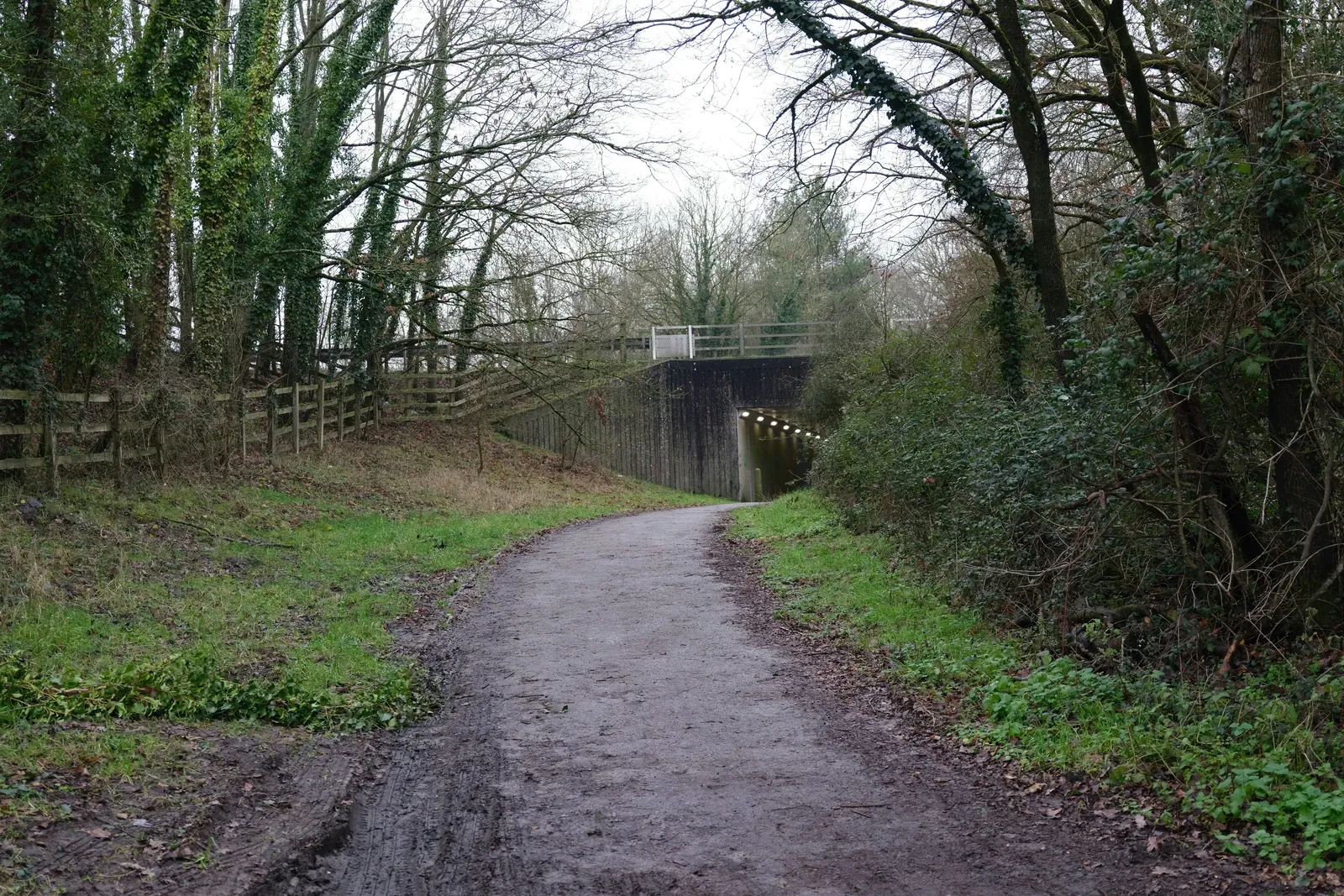
It felt weird to be walking three miles into a marathon. At Manchester in 2017 that walk was the plan, and I finished over 13 minutes faster than I ever had before.
What is jeffing?
Jeffing is another name for the run-walk method. You run for a set time or distance, walk for a set time, and repeat, from the start of the run. The walks are planned, so you take them before you're tired: Great Run warns that missing walk breaks early on makes you more likely to tire later.
Great Run's guide calls jeffing a run/walk interval training technique popularised by Jeff Galloway, a US Olympian, which is where the name comes from. It also points out that ultra runners have long been supporters of run-walk.
Source: Great Run, Jeffing: the run walk technique, checked
Is jeffing better than running?
That depends on what you want from a run, and jeffing is still running, with planned breaks. Great Run's case is that walk breaks help you feel in control of a run, help you avoid fatigue and can speed up your times, and it quotes Galloway's own claim that run-walk improves finish times for runners of all abilities.
My case rests on one marathon. With a 5-minute walk after every 25 minutes of running, on a very hot day, I took over 13 minutes off my best. That's one race by one runner, so try it on a long training run and judge it for yourself.
Source: Great Run, Jeffing: the run walk technique, checked
Manchester Marathon 2017 on 25 minutes and 5
Anyone who has run a marathon will tell you the real halfway point is 20 miles, and the furthest I had run in training was 13.1. I had a run-walk plan for my first ultra in June: run for 25 minutes, walk for 5, and repeat. My training plan only asked for 10 miles that Sunday, so the job at Manchester was to cover at least that and stick to 25 and 5.
The people around me probably thought I'd done no training when I started walking at mile 3. They weren't far wrong.
Something odd happened on the walks. The people who passed me while I walked, I caught within the next mile of running, and I left them behind the mile after that. The groups I overtook in the first two miles of each block never caught me again.
Each 25 minutes of running was meant to cover about 3 miles. Early on it was nearer 3.5, a bit faster than planned, and I kept to 25 and 5 until the 20-mile mark. After that the plan ran out and I improvised, adding a 3-minute walk with water and gels on top of the usual 5, on a very hot day. I crossed the line in roughly 4 hours 22 minutes, over 13 minutes faster than my previous best, and I was buzzing. I still don't really know how I managed it on so little training.
The story of my first marathon, four years earlier, starts with not being able to run a kilometre.
Choosing a ratio
Pick a ratio you can hold from the first mile, and take the walks even when you feel good. Great Run's suggestions start small:
- Beginners might run for 30 seconds and walk for 30, then run for 45 and keep the walk at 30.
- As training goes on, run for longer and save up those 30-second walks into two or three minutes, taken less often.
- The faster you want to go, the shorter the walks should be.
- Intervals can be set by time, by distance or both, such as running 400m and walking 100m, or running 1km and walking a minute.
Source: Great Run, Jeffing: the run walk technique, checked
My blocks were much longer. At Manchester, 25 and 5 worked. At Endure 24 Leeds in 2018 I planned 50 minutes running and a 10-minute recovery, and theory and practice never quite met: on some laps I skipped the recovery, and on others I took 20 minutes.
Where run-walk stopped working for me
That June I took the same plan to my first ultra, the 53-mile Race to the King across the South Downs. It had worked at Manchester and in training, but this was two marathons back to back, on hills. I didn't finish: I withdrew at mile 36 on medical advice.
I've since learned that ultras are different. You walk the uphills, run the flats and run gently down the hills, depending on how steep they are. Walking uphill usually isn't much slower than running it, uses a lot less energy, and gives you time to eat and get your breath back. A timer can't see a hill. By Endure 24 Leeds in 2018 I was walking the climbs and running the flats and downhills.
The rest of that day is in my Race to the King story, and how I trained for it is in ultra marathon training.
Questions about jeffing
Why is it called jeffing?
After Jeff Galloway, the US Olympian Great Run credits with popularising run-walk.
Is Couch to 5K jeffing?
It starts the same way. The NHS Couch to 5K plan mixes running and walking: in the first week you run for 1 minute and walk for 90 seconds, and each week you run a little more, until you can run 5K or 30 minutes without stopping, in 9 weeks or longer. Jeffing keeps the walks for good.
Can you jeff a marathon?
Yes. That's how I ran Manchester in 2017, and it was a PB.
Sources: Great Run, Jeffing: the run walk technique; NHS, Couch to 5K, checked