Race to the King: my first ultra, 36 miles of 53, and the race today
Race to the King is Threshold Trail Series' ultra, run today as loops from West Dean Gardens of 30, 50, 80 or 100km, next on 19 June 2027. In 2017 it was 53 miles across the South Downs. It was my first ultra, and I withdrew at mile 36 on medical advice.
I could have picked a 50km race for a first ultra. I picked the Race to the King ultra, 53 miles across the South Downs on 24 June 2017, because I've never done running the easy way (I ran a marathon before I'd ever run a half). It didn't end the way I'd planned.
The race today
The 2027 race, on 19 June, is based at West Dean Gardens, with 30km, 50km, 80km and 100km options on loops of the South Downs Way, the coast and the Monarch's Way. The routes page names them: the Monarch's Loop (30km), the Coastal and Castle routes (50km, though the Castle route is listed at 53km), and non-stop routes of 80km and 100km. The 100km is listed at 103km (64 miles), with 1,510m of climbing.
Mine was a point-to-point 53 miles across the South Downs, a different course, so nothing I say about the route describes the race today.
Sources: Race to the King; Race to the King, the routes, checked
My race, mile by mile
I'd trained on a 20-week plan, with the Manchester Marathon and two hilly races as long runs, but most of my miles were on flat ground and I hadn't studied the route. I travelled down on my own the day before: fish and chips, a short walk and no alcohol. I couldn't really sleep, so I was up in plenty of time.
The start was a huge farmer's field, with registration, a bag drop, plenty of facilities and snack vans, and runners set off in waves. The first five or six miles went quickly, through farmers' fields and woods. The food stations were good, the marshals were brilliant, and there was time to chat with the runners around me about why they were doing it.
At the halfway food station, where the two-day entrants stop for the night, I sat down for too long and got comfortable. Then the trouble started on the hills. The food station at mile 30 was at the top of one of the steepest hills I've ever walked up, and I've walked up Ben Nevis, Snowdon and Scafell Pike.
Why I stopped at mile 36
From the mile-30 stop every mile got harder. At mile 36 I asked for the medical team, and they advised me to stop. I took their advice.
It was still light. I was given the halfway medal, which I still have, and 36 miles was the furthest I had ever run. I was gutted. For years I blamed the course, which wasn't honest: I hadn't studied the route, I hadn't trained on hills, and stopping was the right decision. What stopping felt like, here and at other races, is in my guide to DNF in running.
Can you walk Race to the King?
Yes. Threshold's own page talks about "runners and walkers" making the most of almost 16 hours of daylight. The routes page lists cut-offs of "15+ hours" for the two 50km routes and "24+ hours" for the 80km and 100km non-stop routes, and none for the 30km Monarch's Loop. The page still links some 2026 entries, so check the cut-off for your distance when you enter.
Sources: Race to the King; Race to the King, the routes, checked
What Threshold suggests you carry
Threshold Trail Series publish a list of things they say it's "always sensible to carry" on the trail. Here it is, with what we sell for each:
- Medical kit. The First Aid Mini Pack and the Military First Aid Mini Pack are small belt-loop packs holding dressings, bandages, tape and gloves. Add blister plasters and any medication you need.
- Suncream. We don't sell it.
- A waterproof jacket. The Stow and Go Pack Away Rain Jacket has taped seams and a hood, and packs into its own stuff sack.
- A fully charged phone. Your own.
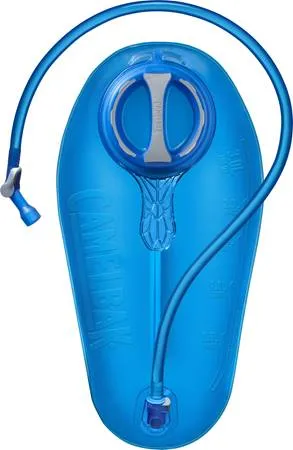
- At least 750ml of water. Threshold suggest finding a comfortable way to carry a litre or more. The Kestrel Hydration Backpack holds a 2 litre bladder, and the CamelBak Crux Reservoir is a bladder on its own, for a pack you already have.
- Trail snacks. Your favourites; we don't sell food.
- A head torch and spare batteries. We don't sell head torches, so buy one from a running shop.
- Emergency cash or a card. Your own.
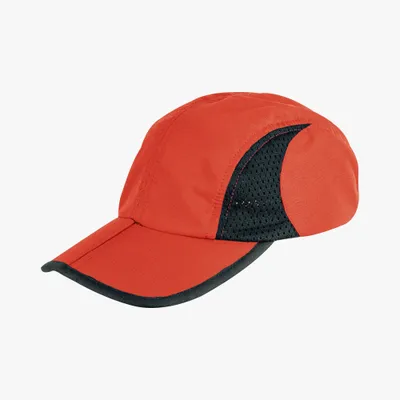
- Headwear against the sun. The Highlander Trekker Cap is vented and folds into its own pouch.
Their 2027 terms make two things compulsory: a head torch if you're out through the night in the dark, and your own bottle or cup, because they don't provide cups. They also email entrants a recommended kit list before the event, so read that when it comes. The kit most races ask for is on our mandatory kit page, and the packs and bladders are on our hydration page.
Sources: Threshold Trail Series, ultra kit guide; Threshold Trail Series, terms and conditions 2027, checked
What I carried in 2017
I don't have a full kit list from that day, only what I wrote afterwards. I had no support crew, so I carried no spare kit. A spare pair of shoes wouldn't have been practical, but a fresh pair of socks after halfway would have been nice. I'd trained with the same foods I ate on the day, a lesson I'd learnt at the London Marathon, so food was never the problem.
Lessons I'd pass on
When I finally reviewed the race properly, in December 2020, I wrote down four:
- Scope the course. In person if you can, or study the route and where the climbs come. I'd trained on the flat, and the South Downs caught me out.
- Walk the uphills, run the flats. Running 25 minutes and walking 5 had worked on a road marathon. On a hilly ultra, walk the climbs and use them to eat and get your breath back.
- Keep aid stops short. Grab something and keep moving. Sitting down at halfway made it far harder to get going again.
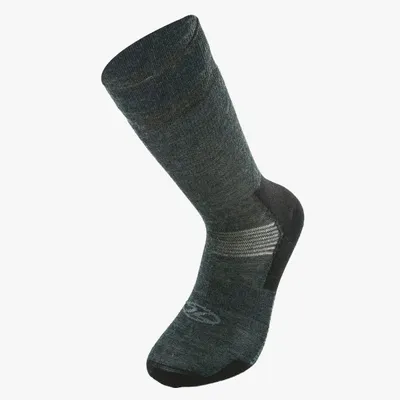
- Carry fresh socks. I'd have swapped into a dry pair after halfway if I'd had one. The Wool Crew Sock is a merino blend with no cotton (from its listing).
How I trained for it is in my ultra marathon training guide, and the ultra marathon kit list compares what four UK races' lists ask you to carry.
I wrote about the race in July 2017 and reviewed it in December 2020. I updated this report in November 2026, with today's race details from the organiser.
Kit from this guide
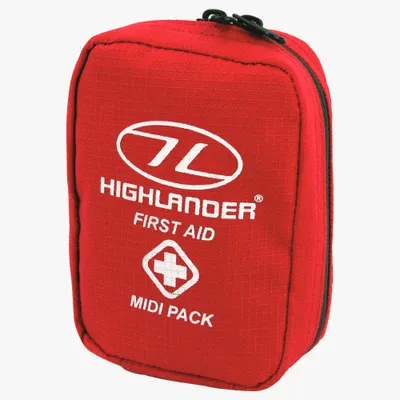 First Aid Mini Pack
£12.00
In stock
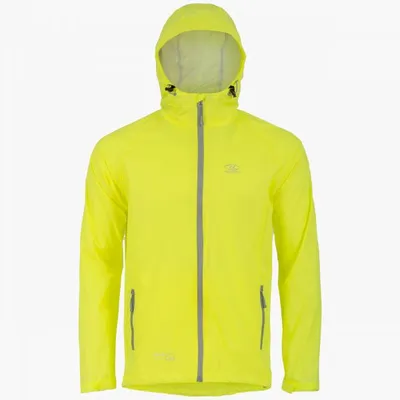 Stow and Go Pack Away Rain Jacket
£36.97
In stock
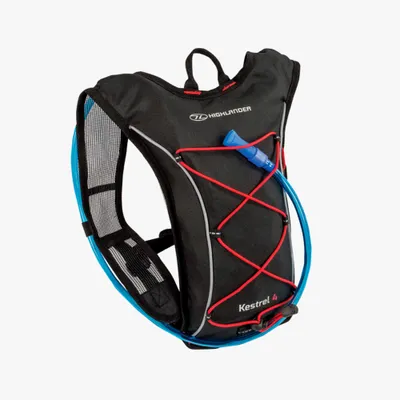 Kestrel Hydration Backpack
£17.47
In stock
 Blue CamelBak Crux Reservoir
£30.97
In stock
 Highlander Trekker Cap with Pouch
£9.47
In stock
 Wool Crew Sock
£8.47
In stock