Ultra marathon kit list: what to carry and what races check
Most UK ultras ask you to carry a waterproof jacket, a charged phone, water, a whistle and a survival bag or foil blanket, and many add first aid, a hat and gloves. Check your own race's list every year, because some refuse a foil sheet and ask for a bag.
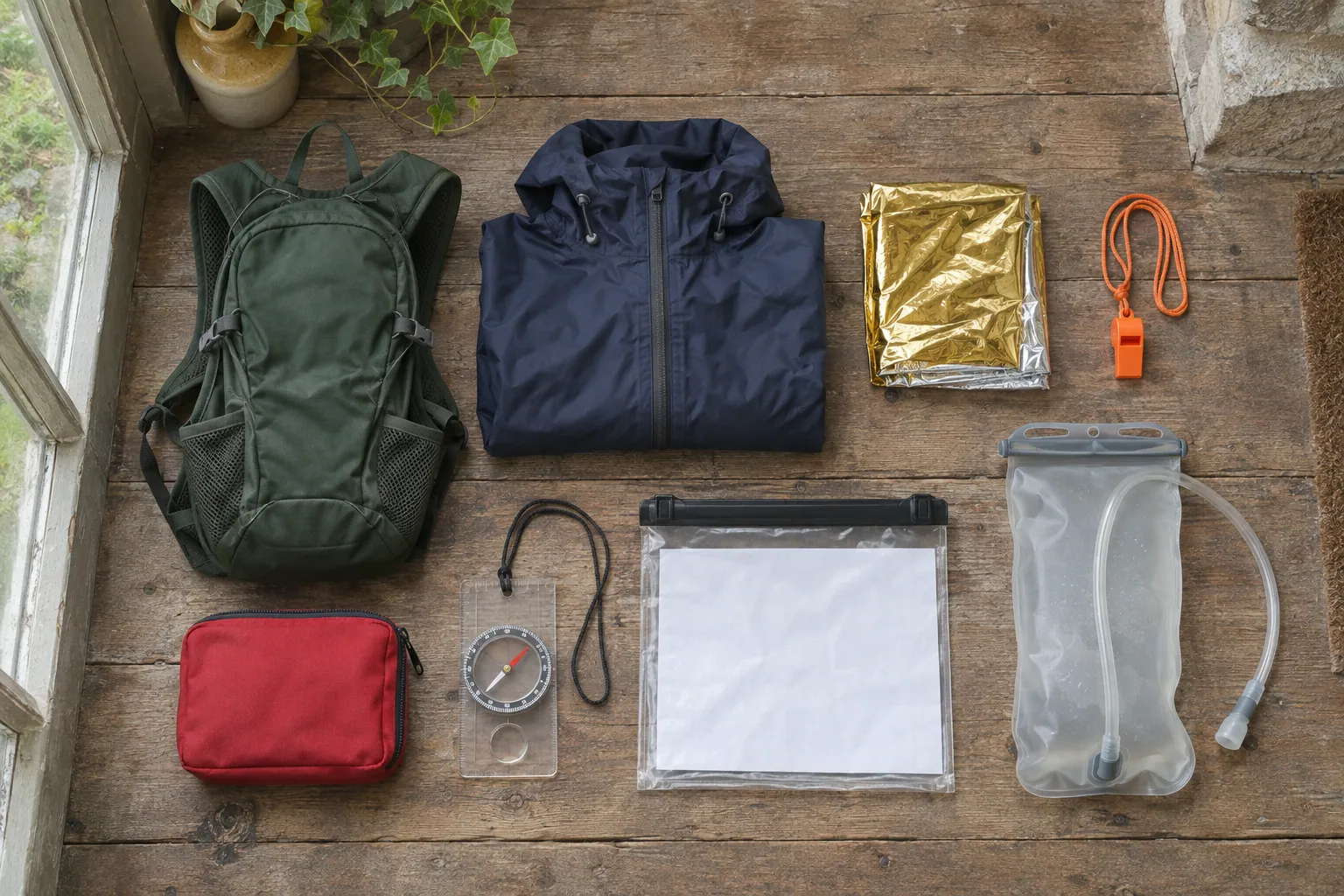
Start with your own race's mandatory kit list, then pack for the moment something goes wrong. The list is the bare minimum the organiser will accept, and on a long day out the weather, your legs or a twisted ankle can leave you standing still for hours.
What do races make you carry?
The race's own mandatory kit list decides, and it gets checked: at registration, on the course, or both. Ultra Trails looks at two items or more when you collect your number. Centurion Running's 2026 rules for the South Downs Way 100 put an hour on your time for every missing item found on the course. The UTMB races in Wales and Cornwall penalise or disqualify runners who can't produce an item.
Sources: Ultra Trails, mandatory kit; Centurion Running, South Downs Way 100 rules; Arc of Attrition, mandatory kit, checked
One organiser's lists can differ from race to race. Ultra Trails' Wold Rangers Way Ultra adds gloves and a "Warm hat, e.g. fleece (buff or running cap not acceptable)", while its shorter Tibthorpe Loop accepts a "Survival bag, bivvy bag or foil sheet".
Source: Ultra Trails, mandatory kit, checked
Fell races run under the Fell Runners Association's rules have their own minimum for the longer categories: waterproof whole body cover with taped seams and a hood, a hat, gloves, a map of the route, a compass, a whistle and emergency food. UTMB Eryri describes its list as the minimum that keeps you safe "until further assistance arrives", which could be several hours, and each of its races has its own list on its site.
Sources: FRA Requirements for Runners 2026; UTMB Eryri, mandatory kit, checked
Our mandatory kit page puts the items we sell for these lists in one place. Here is how four published lists compare, line by line, with the price and stock of what we sell for each: a tick means the list names the item, a dash means it doesn't, and "Advice" means Threshold suggests it without making it a rule.
- Yorkshire Wolds Ultra: Ultra Trails
- South Downs Way 100 (2026): Centurion Running
- Run The Wild Europe: Run The Wild
- Threshold (advice): Threshold Trail Series
| Kit item | Yorkshire Wolds UltraUltra Trails | South Downs Way 100 (2026)Centurion Running | Run The Wild EuropeRun The Wild | Threshold (advice)Threshold Trail Series | Price | Stock |
|---|---|---|---|---|---|---|
| Waterproof jacket | Yes, with taped seams | Yes, 10,000mm or more, sealed seams | Yes, taped seams, hood and sleeves | Advice | £36.97 | In stock |
| Survival bag or foil blanket | Survival bag (no foil sheet) | Survival blanket, 1.4m x 2m or larger | Foil blanket | 2 options in stock, from £2.49 | ||
| Whistle | £1.60 | In stock | ||||
| Charged phone | Advice | |||||
| Water | 500ml at the start | 1 litre of capacity | 1 litre of capacity | Advice: at least 750ml | 4 packs and bladders in stock, from £9.97 | |
| First aid kit | Yes, with blister plasters and pain relief | Advice: a medical kit | 3 first aid packs in stock, from £7.97 | |||
| Warm hat and gloves | Weather dependent | Not sold here | ||||
| Spare warm layer | A long-sleeved base layer or fleece, kept dry | £30.97 | In stock | |||
| Sun hat or cap | Advice: headwear against the sun | £9.47 | In stock | |||
| Head torch | Yes, 100 lumens, plus a back-up light | Only on longer trips | Advice: with spare batteries | Not sold here | ||
| Cup | Yes, for cola at checkpoints | No cups given: bring a bottle or vessel |
Water and food
Carry what your race asks for, then enough to reach the next aid station on a warm day. The lists above set 500ml at the start (Ultra Trails), a litre of capacity (Centurion and Run The Wild in Europe) and at least 750ml (Threshold's advice). London Marathon Events' medical director says faster runners may need up to a litre an hour on a warm day, and slower runners need less and should not drink more than 500ml an hour. Their medical advice is to drink to thirst and no more, because drinking too much can cause hyponatraemia.
Sources: London Marathon Events, hydration guide; London Marathon, medical advice, checked
Cola at checkpoints is common, but you may need your own cup: Ultra Trails says "Cup if you are wanting coca cola at checkpoints (we do not provide cups)".
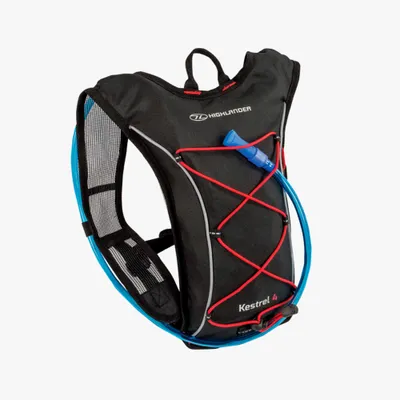
For carrying it, the Kestrel Hydration Backpack holds a 2 litre bladder and 4 litres of kit, and the Highlander Falcon Hydration Backpack adds a chest strap and hip belt to its 2 litre bladder. A CamelBak Crux Reservoir refills either. Every pack and bladder we sell is on one page: Shop hydration packs and bladders.
Clothes for when you stop
Your warm layers are for the moment you stop moving, through injury, cramp or a long climb: a waterproof with taped seams and a hood, a hat and gloves. The Fell Runners Association says body heat goes quickly once injury or exhaustion makes a runner stop or slow down, and that the kit "could be a life-saver" then.
Source: FRA Requirements for Runners 2026, checked
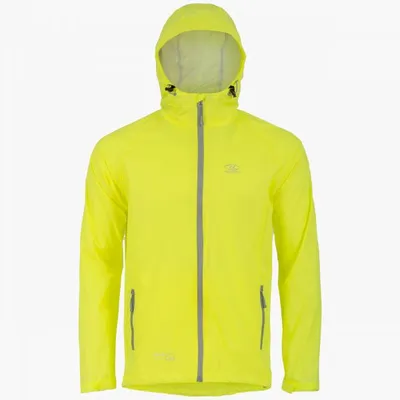
The Stow and Go Pack Away Rain Jacket has taped seams and a hood, a 6,000mm hydrostatic head and a weight of 310g, and packs into its own stuff sack (all from its listing). Its taped seams and hood answer the wording of lists like Ultra Trails' and Run The Wild's. Its 6,000mm rating falls short of the 10,000mm Centurion asked for in 2026, so read your race's own wording before you rely on it. Add the Highlander Polar Fleece Neck Warmer, which has a drawcord to pull it over your ears or nose, and Wool Crew Socks, a merino blend with no cotton. We don't sell gloves or a warm hat at the moment, so pack your own. Our waterproofs, warm layers and socks are on one page.
Light and navigation
If any of your race runs after dark, carry a head torch bright enough to light the path, with spare batteries. On an unmarked route, carry a map and a compass you know how to use. The FRA points out that trail race courses are usually fully marked and fell race courses usually aren't, and Ordnance Survey says a compass keeps you on track "when signal drops or visibility is poor".
Sources: FRA, frequently asked questions; Ordnance Survey, how to use a compass, checked
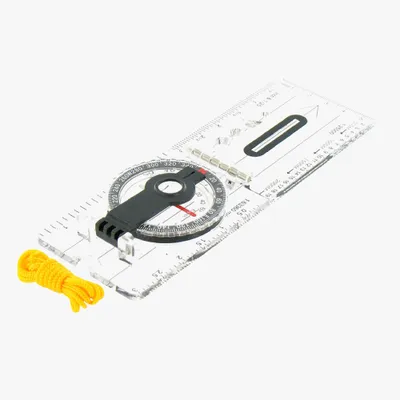
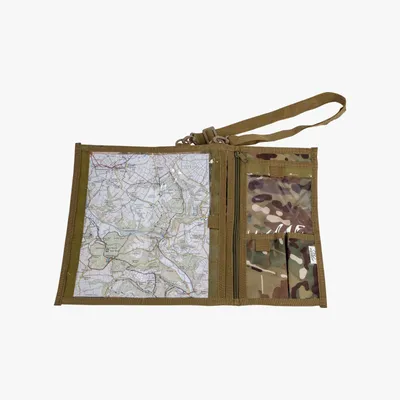
We don't sell a head torch, so buy one elsewhere and check it against your race's list: Centurion asked for 100 lumens in 2026, and the other lists read here set no figure. For navigation we sell the Deluxe Map Compass, the Scout Sighting Compass and a Map Case with a zipped PVC window, 160g, that keeps the map dry and readable.
First aid and blisters
A small first aid kit covers cuts and strains; blister plasters and any medication you take, you add yourself. Run The Wild's European list spells it out as a "Small personal first aid kit which contains personal medication (e.g. inhaler), blister plasters, pain relief".
Source: Run The Wild, required kit, checked
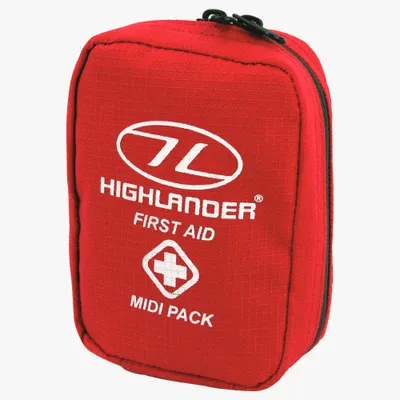
The First Aid Mini Pack and the Military First Aid Mini Pack are small packs with a belt loop, holding dressings, bandages, tape and gloves. Check each listing for the full contents, then add your own plasters and medicine.
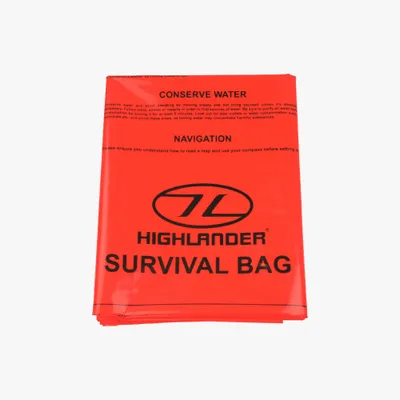
A whistle and a survival bag or blanket make up the rest of the safety kit. We sell whistles, an orange survival bivvy bag and a foil survival blanket; check which of the two your race accepts before you choose.
For clothing, the weather guides go further: running in the rain and what to wear running in winter.
Kit from this guide
 Stow and Go Pack Away Rain Jacket
£36.97
In stock
 Kestrel Hydration Backpack
£17.47
In stock
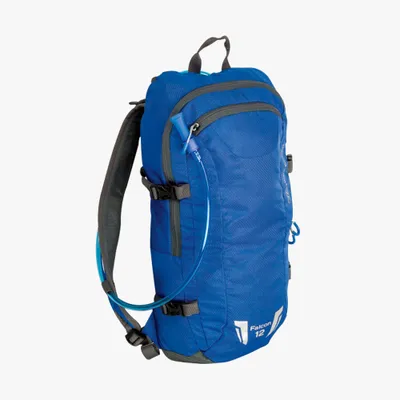 Highlander Falcon Hydration Backpack
£24.97
In stock
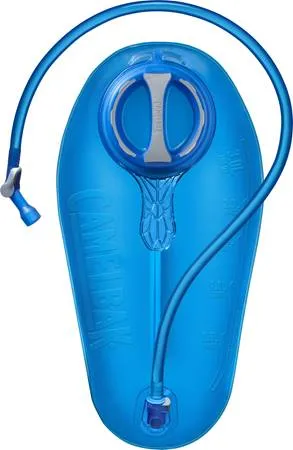 Blue CamelBak Crux Reservoir
£30.97
In stock
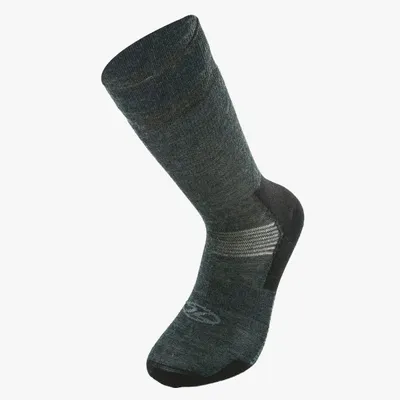 Wool Crew Sock
£8.47
In stock
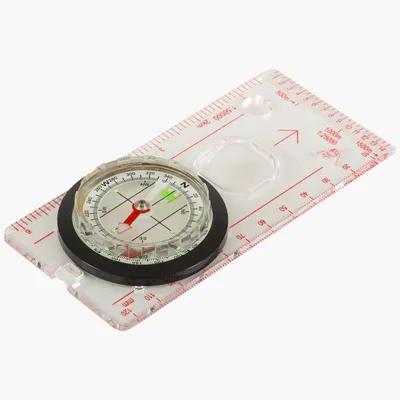 Deluxe Map Compass
£6.49
In stock
 Scout Sighting Compass
£6.49
In stock
 Map Case
£6.97
In stock
 First Aid Mini Pack
£12.00
In stock
 Highlander Double Survival Bivvy Bag, Orange
£6.40
In stock
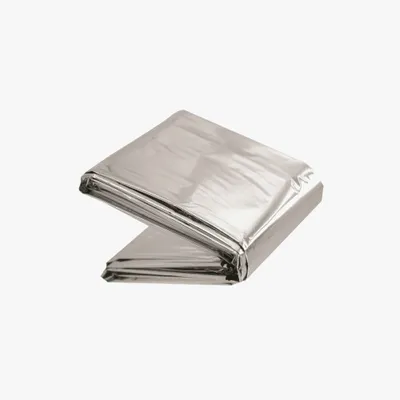 Highlander Reflective Survival Blanket
£2.49
In stock
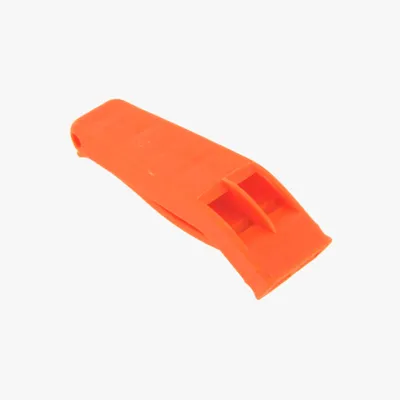 Highlander Emergency Marine Whistle
£1.60
In stock