
Running in the dark: on winter roads and through the night at races
On roads, use reflective materials and, where there's no pavement, keep to the right-hand side so you can see oncoming traffic. On trails, carry a head torch and know the route. At a 12-hour race in 2017 I started my ninth lap at about 1am, in the pitch black and the rain.
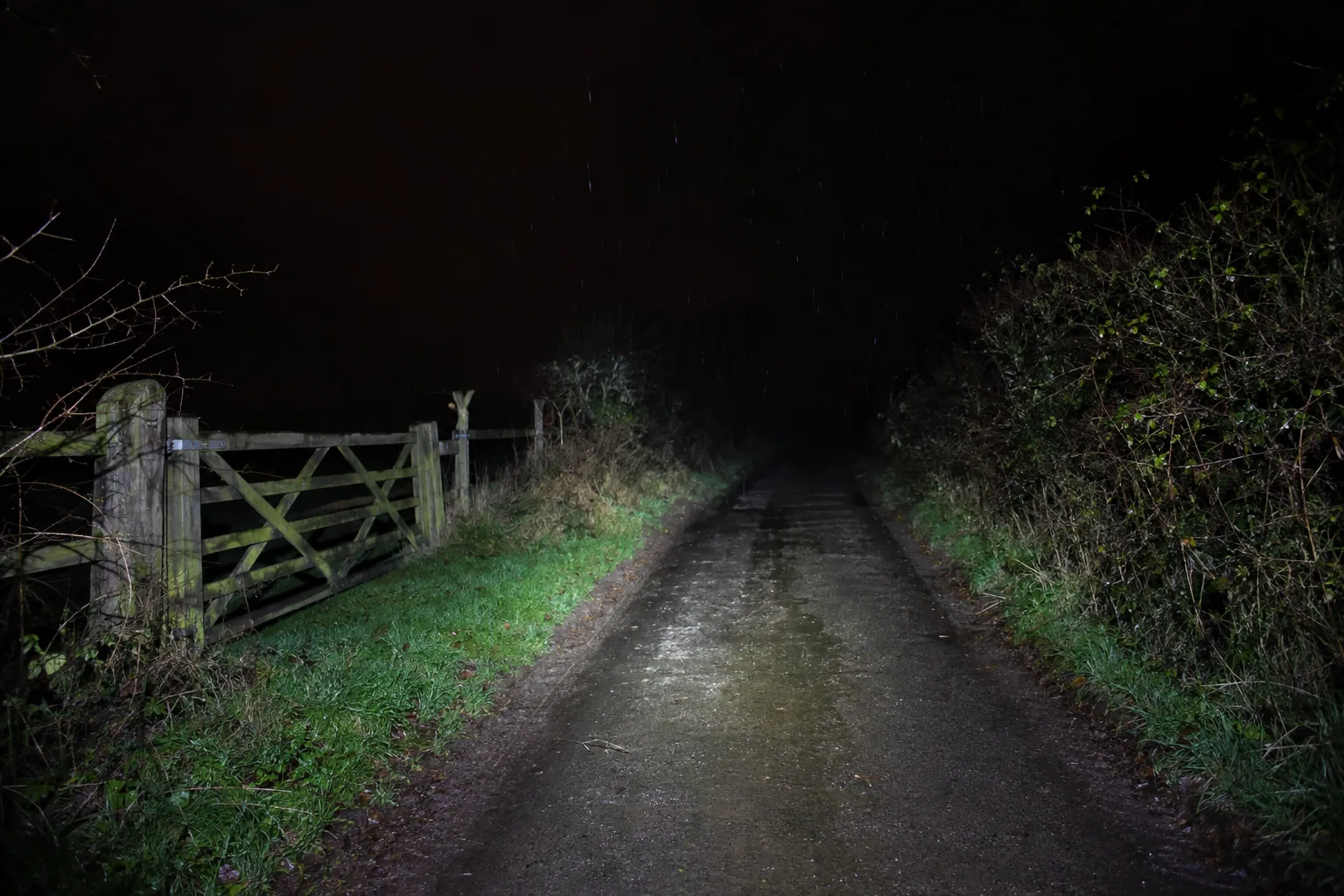
While most of us would rather run in daylight, short winter days and a working week often mean the only time left is after dark. On the road, most of what keeps you safe is about being seen.
Is it a good idea to run in the dark?
Yes, if you can see where you're going, drivers can see you, and you know the route. Run The Wild, which runs trail running trips and events, advises slowing down at night, because you have less time to spot obstacles, and checking your route in daylight before you run it in the dark. A route usually takes longer at night, so allow for that.
Source: Run The Wild, Trail running at night, checked
Is it okay to jog at 10pm?
The rules for being seen are the same at 10pm as they are at 6pm. When I reviewed my 2018 Endure 24, I planned long runs that set off at about 10pm on Saturday nights, to get used to running tired in the dark.
Being seen on the road at night
Three of the Highway Code's rules for pedestrians matter most on a dark run.
- Rule 1: "Pavements and footways (including any path along the side of a road) should be used if provided."
- Rule 2: "If there is no pavement, keep to the right-hand side of the road so that you can see oncoming traffic." The rule adds that you should be prepared to go in single file, especially on narrow roads or in poor light, and that it may be safer to cross well before a sharp right-hand bend and cross back after it.
- Rule 3: "Help other road users to see you. Wear or carry something light-coloured, bright or fluorescent in poor daylight conditions. When it is dark, use reflective materials (eg armbands, sashes, waistcoats, jackets, footwear), which can be seen by drivers using headlights up to three times as far away as non-reflective materials."
Source: The Highway Code, rules for pedestrians, checked
In Northern Ireland, nidirect gives the same advice and names running: walk, run or jog on the right-hand side of the road, facing oncoming traffic.
Source: nidirect, be safe as a pedestrian, checked
Cold and dark tend to arrive together, and what to wear running in winter covers the warm layers.
What do you need for running in the dark?
A head torch for unlit paths, something reflective for roads, and a charged phone.
For trails, Run The Wild's advice is to check how long your head torch lasts at the brightness you'll actually use, charge it fully, and carry a spare battery or a backup torch on longer runs. It also suggests extra layers, because it gets colder at night, and something bright to wear. Before you set off, tell someone where you're going and when you expect to be back.
Source: Run The Wild, Trail running at night, checked
Night races set minimums of their own. Endure24's 2027 terms make it compulsory to carry a head, chest or hand torch on the course between 8pm and 6am, and Threshold's 2027 terms make a head torch compulsory for anyone taking part through the night in the dark. Manvers Dusk till Dawn's entry page says its course is mostly unlit, so you'll need a good head torch to run through the night.
Sources: Endure24, terms and conditions 2027; Threshold Trail Series, terms and conditions 2027; Manvers Dusk till Dawn 2027, entry page, checked
Centurion's South Downs Way 100 rules for 2026 went further, with a head torch of at least 100 lumens and a backup light of at least 100 lumens, both from Washington.
Source: Centurion Running, South Downs Way 100 2026 rules, checked
We don't sell head torches, lights or hi-vis, so you'll need a running shop for those.
Running through the night at a race
In 2017 I ran Manvers Dusk till Dawn: 12 hours of laps that I described at the time as 5km and about 70% road. I wore road shoes and carried a head torch for when it got dark. I set off too fast, with two laps inside the first hour, and by around mile 20 I knew 50 miles wasn't going to happen.
Lap 9 started at about 1am. It was pitch black, it began to rain, and very few runners were left on the course: some had gone to sleep for a few hours and others had finished for good. I got round, 27-ish miles in, and wanted one more lap. It was only 3.1 miles, but in heavy rain on tired legs it took forever.
Today's race is different: the organiser's entry page describes laps of 3.21 miles, all off road on footpaths, from 6pm to 6am. My Manvers Dusk till Dawn report has the rest of my night.
Source: Manvers Dusk till Dawn 2027, entry page, checked
At Endure 24 Leeds in 2018, the night was where my race went wrong. The rest of that race is in Endure 24 Leeds.
Training for a night race
When I reviewed that race, I planned to swap my Sunday long runs for Saturday nights, setting off at about 10pm and running until 1 or 2 in the morning, to get my body used to running tired in the dark.
If you're new to trails after dark, Run The Wild suggests starting on familiar trails at a comfortable pace, and running with other people. There's safety in numbers.
Sources: Run The Wild, Trail running at night; Run The Wild, How to stay safe on the trails, checked
How I planned training by time on my feet is in ultra marathon training.